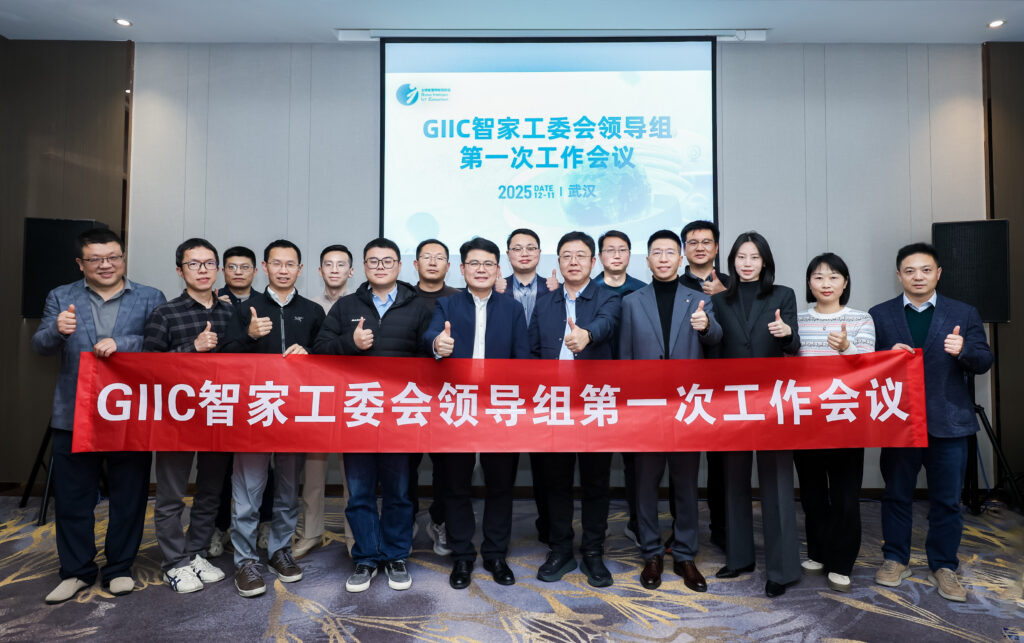
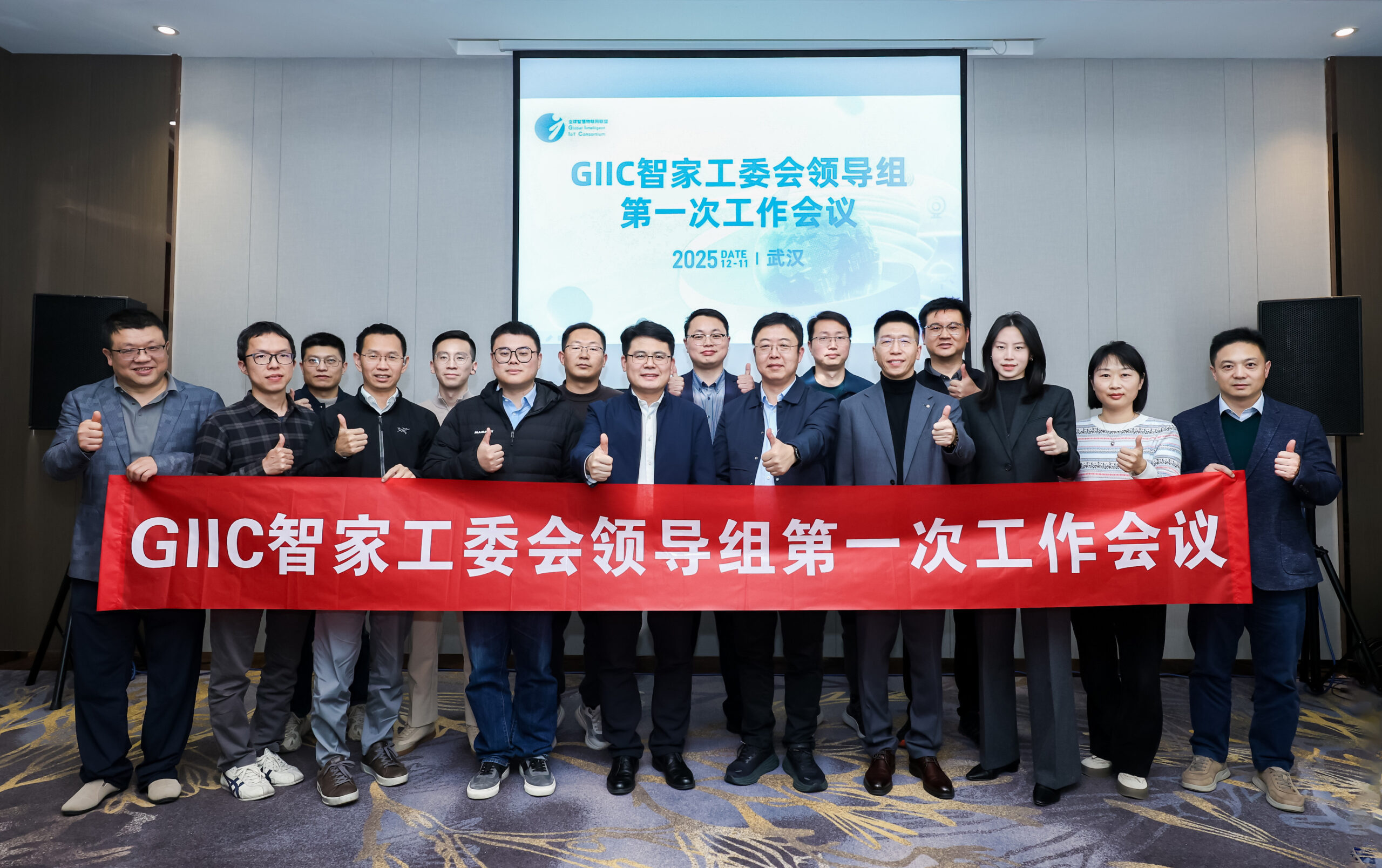
On December 11, 2025, the first leadership meeting of the Smart Home Working Committee (hereinafter referred to as the "Smart Home Working Committee") of the Global Intelligent Internet of Things Consortium (GIIC) was successfully held in Wuhan. This meeting assembled numerous representatives from the China National Institute of Household Electric Appliances, the China Academy of Information and Communications Technology, the China Electronics Standardization Institute, Midea, China Mobile, Haier, Huawei, JD.com, HiSilicon Technologies Co., Ltd., and the Global Intelligent Internet of Things Consortium. The meeting adopted a hybrid online-offline format, through which all parties engaged in in-depth exchange and discussion regarding the future work plans of the Smart Home Working Committee, and reached extensive consensus.
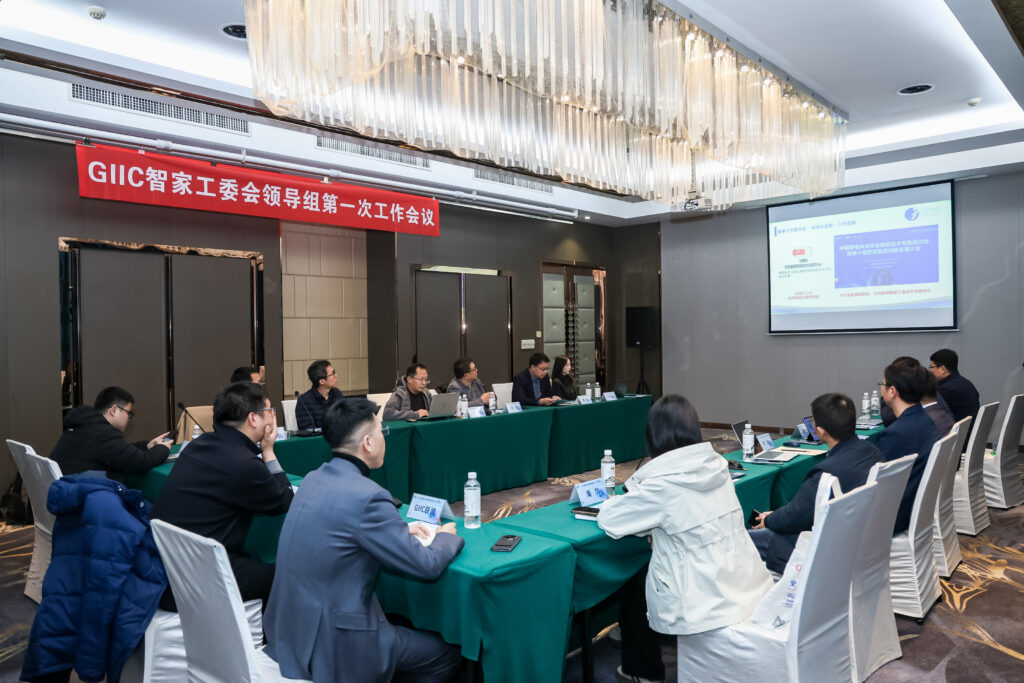
The GIIC Smart Home Working Committee was formally established on October 24, 2025, comprising multiple specialized working groups including the Scenario Requirements Group, Technical Services Group, Standards and Certification Group, Industry Development Group, HarmonyOS Interconnection Group, and Ecosystem Cooperation Group. Its core objectives are to promote the standardization, normalization, and high-quality development of the smart home industry, strengthen synergistic effects among various segments of the industry chain, enhance the application level and service quality of the global intelligent Internet of Things in the smart home domain, and construct an open and innovative smart home appliance industry standards and ecosystem system. During the meeting, each working group respectively presented and elaborated on its work plans in detail.
Standards and Certification Group
The Standards and Certification Group bears the important responsibilities of formulating, certifying, and managing standards related to technology, user experience, and security. Mr. Li Hongwei, Deputy Director of the China National Institute of Household Electric Appliances, introduced at the meeting that this working group will collaborate closely with the Scenario Requirements Group, and based on in-depth insights into industry demands, efficiently complete a series of critical tasks including drafting, submission for review, and issuance of specific standards, providing robust standards support for the normalized development of the smart home industry.
Industry Development Group
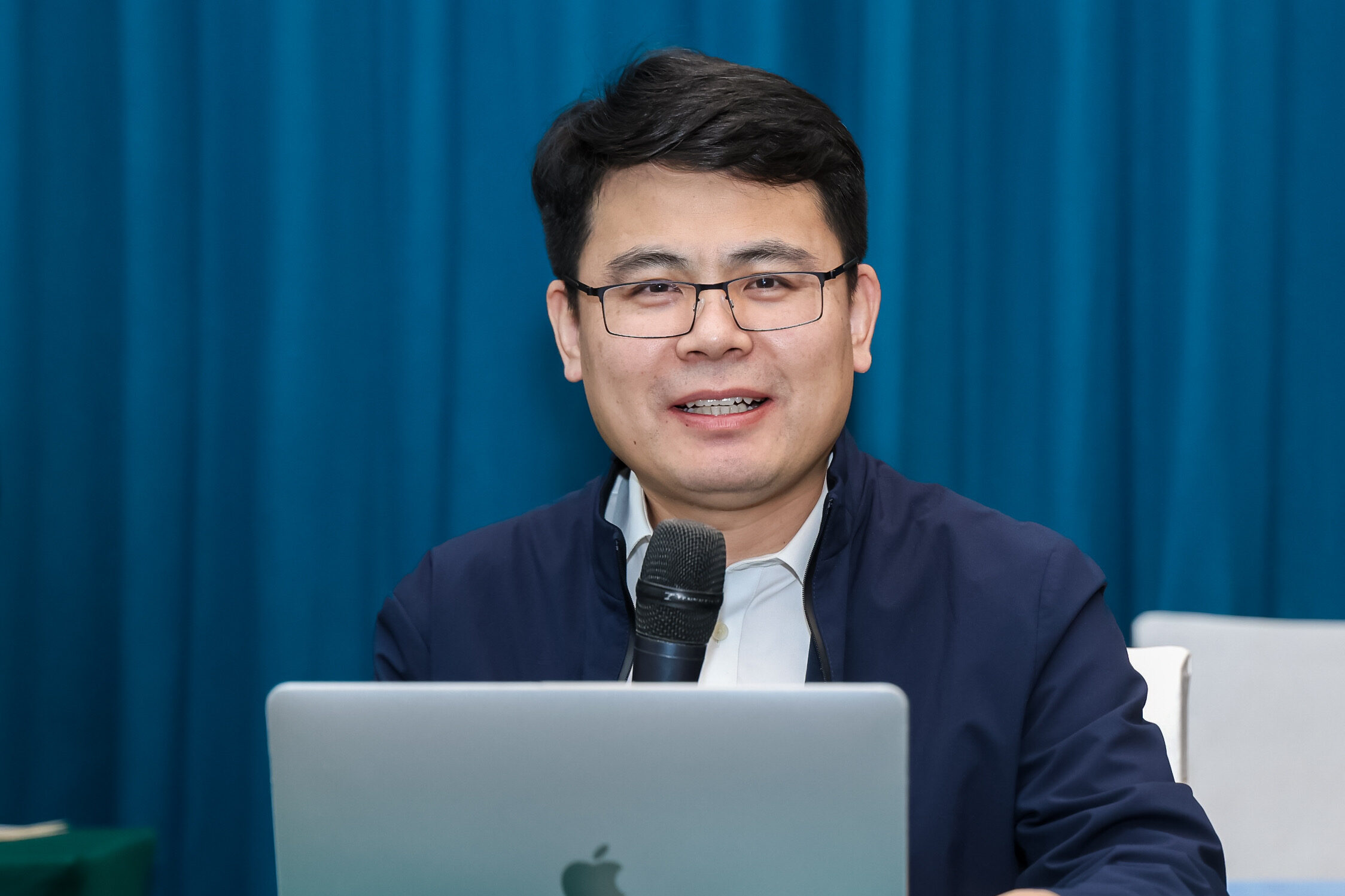
The primary mission of the Industry Development Group is to conduct standards training and successfully transform standards into demonstration cases for extensive promotion within the industry. Mr. Zhang Tao of HiSilicon emphasized in his report that the most critical task for the Industry Development Group is to attract more industry partners to join the Smart Home Working Committee, joining forces with all parties to collectively promote the vigorous development of the smart home appliance industry, and continuously expand industrial scale and influence through standards promotion and industrial cooperation.
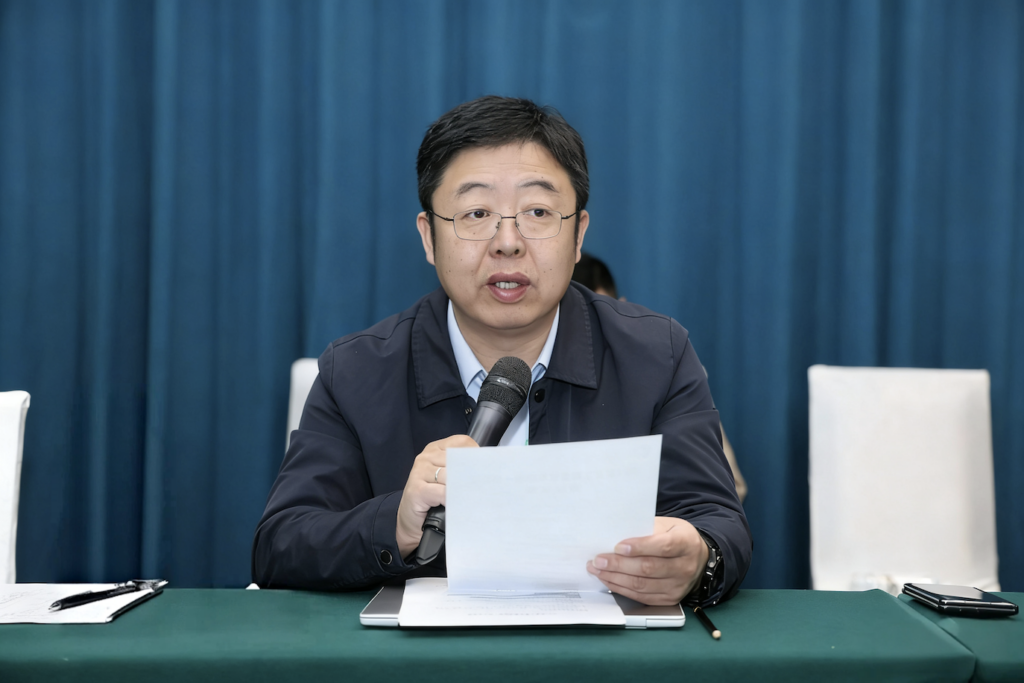
Scenario Requirements Group
The core work of the Scenario Requirements Group is to extensively collect various application scenarios, conduct in-depth research into users' authentic living needs, precisely distill cross-brand common pain points and potential scenario requirements, and provide digitized, structured scenario requirements basis for technical standards and product development. Concurrently, it actively promotes the implementation of pilot projects and conducts continuous iterative optimization based on actual user feedback. Mr. Tan Guoliang of Midea noted in introducing the Scenario Requirements Group's work plan that within the coming year, priority will be given to promoting the rapid implementation of fundamental common scenarios, and in-depth excavation of integration and innovation with artificial intelligence technology in vertical domain scenarios, providing powerful impetus for the upgrading of smart home products and services.
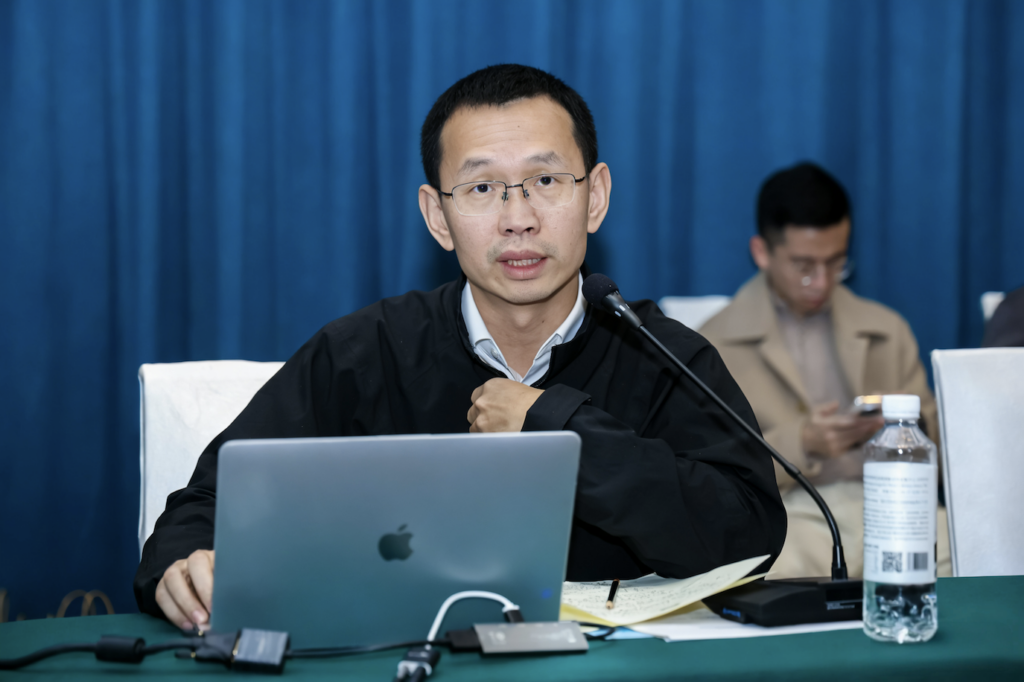
Furthermore, the Technical Services Group, HarmonyOS Interconnection Group, and Ecosystem Cooperation Group engaged in in-depth exchange regarding their respective work plans and suggestions for the Working Committee's operations. Although each working group of the Smart Home Working Committee has its own division of labor and relative independence, they are closely interconnected and mutually collaborative. Through this meeting, participants exchanged opinions and unified objectives, laying a solid foundation for the Smart Home Working Committee's work, and marking a firm and pivotal step for the global intelligent Internet of Things in the smart home domain. It is believed that through the concerted efforts and close cooperation of all parties, the GIIC Smart Home Working Committee will inject formidable momentum into the development of the global smart home industry, leading the sector toward a more prosperous, intelligent, and convenient future.