
On November 7, 2025, the Future IoT Developer Forum, centered on the theme of "Global Stack Synergy, Ecosystem Co-Construction," was successfully convened at the Shenzhen Convention and Exhibition Center. This forum focused on the HarmonyOS ecosystem, open-source architecture, hardware adaptation, and the convergence of communication technologies, convening over 150 IoT developers, enterprise technology executives, university researchers, and industry chain partners to collectively explore practical pathways for IoT developers and inject innovative momentum into the industry's intelligent transformation.
Part.01
Industry Leaders Chart the New Course for IoT Development
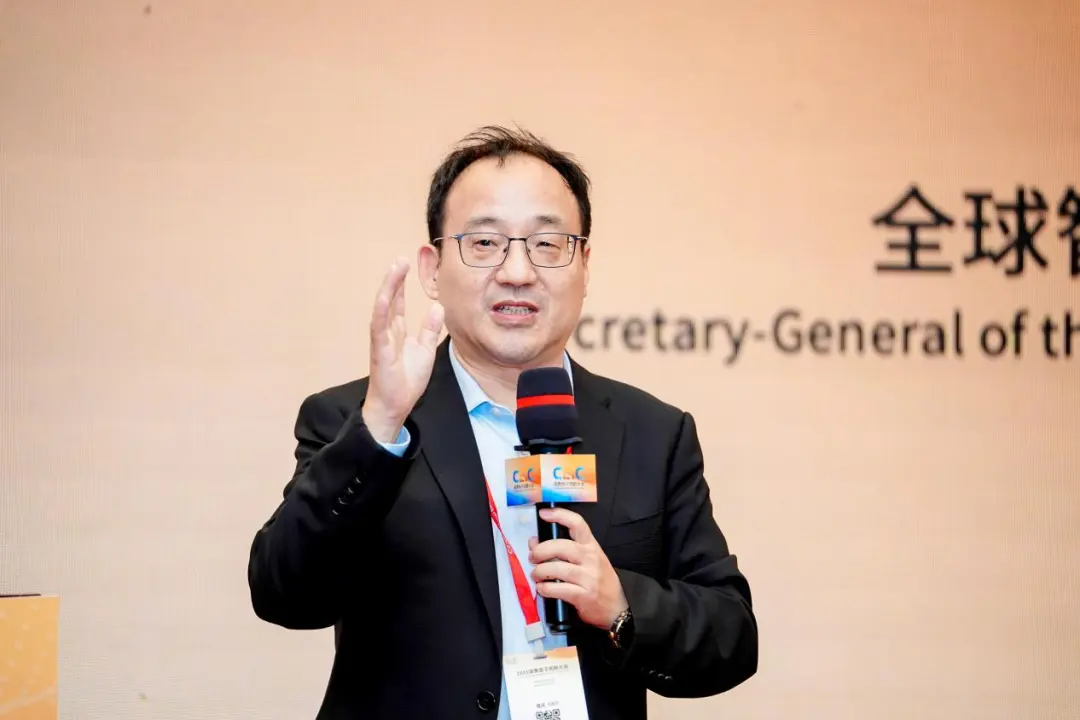
Mr. Hu Caiyong, Secretary-General of the Global Intelligent Internet of Things Consortium (GIIC), delivered the opening address. He emphasized that GIIC, as the first international industrial organization focusing on "IoT + HarmonyOS," has consistently upheld the vision of co-constructing a new ecosystem of intelligent interconnection for all things, dedicating itself to establishing core digital infrastructure for IoT and advancing the global expansion of the HarmonyOS ecosystem. Since its inception, the Consortium has constructed a full-chain service system through the formulation of industry group standards, the establishment of specialized committees, the organization of ecosystem conferences, and the compilation of talent white papers. Moving forward, it will continue to open its ecosystem resources, providing developers with comprehensive support encompassing technical docking, international collaboration, and standard adaptation.
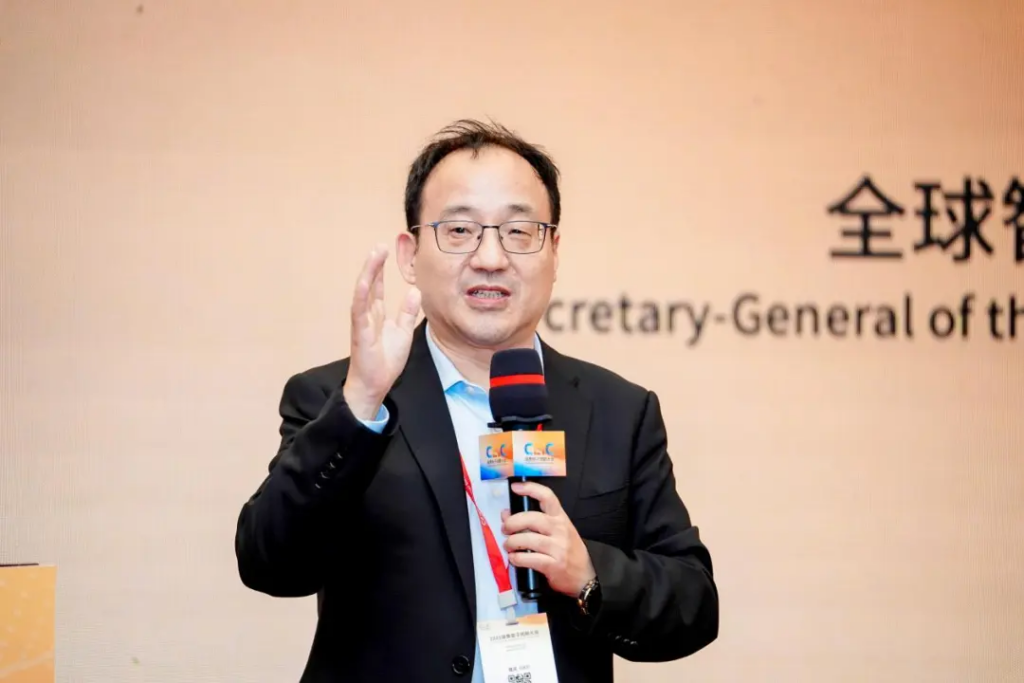
Mr. Hu Caiyong, Secretary-General of the Global Intelligent Internet of Things Consortium (GIIC)
Mr. Dai Mei, Chair of the Board of Shenzhen Beehive Industry Services Group and Founding President of the Shenzhen Internet of Things Association, supplemented this perspective from a regional industrial standpoint. She noted that Shenzhen, as a global hub for the IoT industry, possesses comprehensive capabilities in hardware manufacturing, software development, and ecosystem support. The convening of this forum will further strengthen the linkage among "developers, industry, and scenarios," enabling technological innovations to be translated into industrial value with greater expeditiousness.
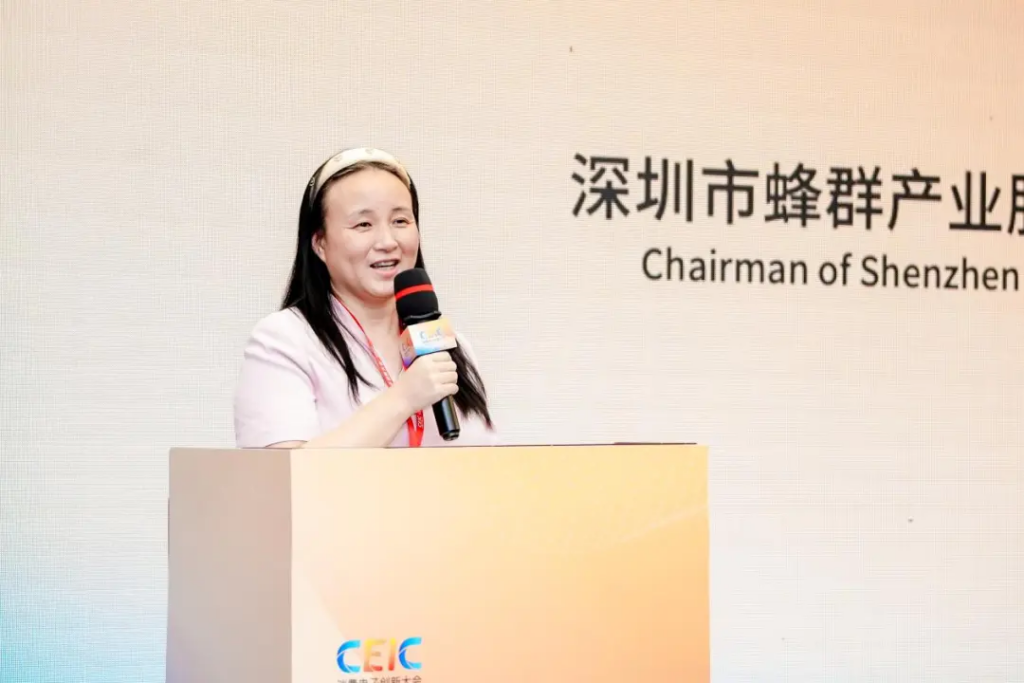
Mr. Dai Mei, Chair of the Board of Shenzhen Beehive Industry Services Group and Founding President of the Shenzhen Internet of Things Association
Mr. Song Kewei, Executive Deputy Secretary-General of the China OSS Promotion Union and Executive Deputy Director of the Beijing Open Source Innovation Committee, presided over the conference. He pointed out that the explosive growth of IoT is inextricable from the prosperity of the developer ecosystem. This forum aims to establish an integrated platform of "technical exchange, resource docking, and scenario implementation," rendering the pathway from technological frontiers to industrial practice clearer and more efficient for developers.
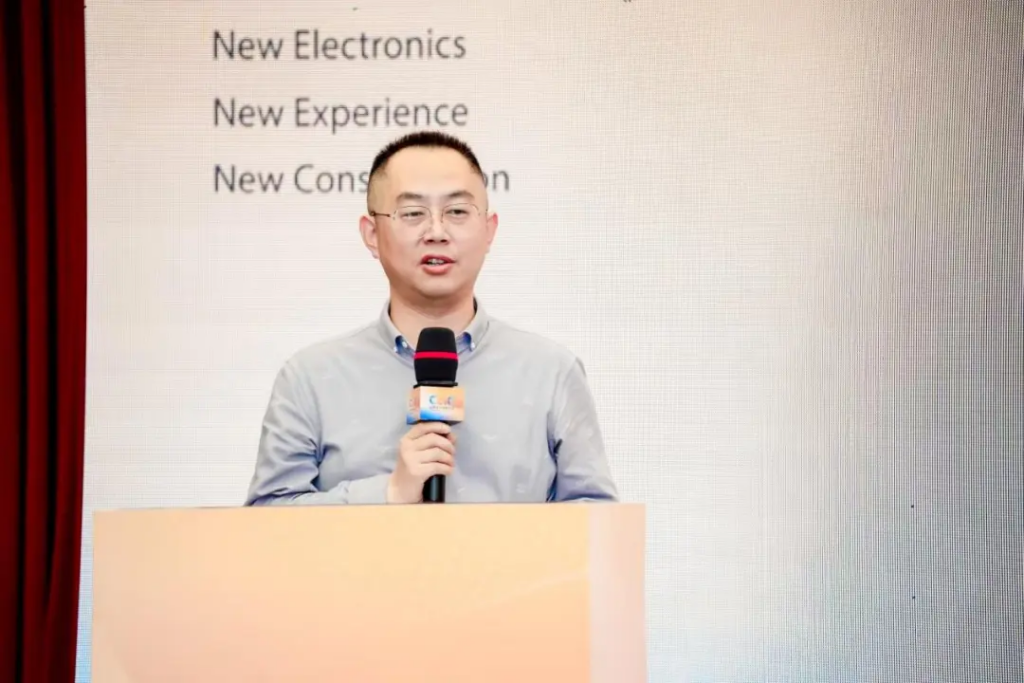
Mr. Song Kewei, Executive Deputy Secretary-General of the China OSS Promotion Union and Executive Deputy Director of the Beijing Open Source Innovation Committee
Part.02
In-Depth Convergence of Technological Frontiers and Ecosystem Practices
During the keynote presentation segment, experts from open-source communities, chip ecosystems, industrial services, and technology research and development provided in-depth analyses of technological frontiers and implementation practices for IoT developers from the dimensions of operating systems, ecosystem synergy, hardware interaction, and data intelligence.
Mr. Jiang Dayong, Chair of the AGIROS Open Source Community Committee and Deputy Chief Engineer of the Software Institute, presented on the theme of "Open Source Intelligence Aggregation: The New Ecosystem of AGIROS Intelligent Robot Operating System." He elaborated in detail on the open-source practices of AGIROS in the intelligent robotics domain, noting that the current intelligent robotics industry is in the "zero-to-one" introduction phase. At present, AGIROS has established a version architecture comprising three community editions and one commercial edition, with cumulative development of over 1,500 software packages and 9 million-plus lines of code, supporting multi-chip architectures including ARM, X86, and RISC-V, as well as programming languages such as C, C++, and Python, attracting the participation of 100 industry-academia-research-application organizations. Concurrently, the AGIROS 25.06 Community Distribution was released on-site, encompassing four core components including the TravoDDS distributed communication middleware and the Alpha Platform simulation platform. The roadmap for the 25.12 LTS version was also disclosed—this release will open no less than 10TB of simulation datasets and support domestic commercial operating systems such as Kylin. Subsequent initiatives will include an open-source innovation competition and four to six community city tours to refine the developer collaboration mechanism.
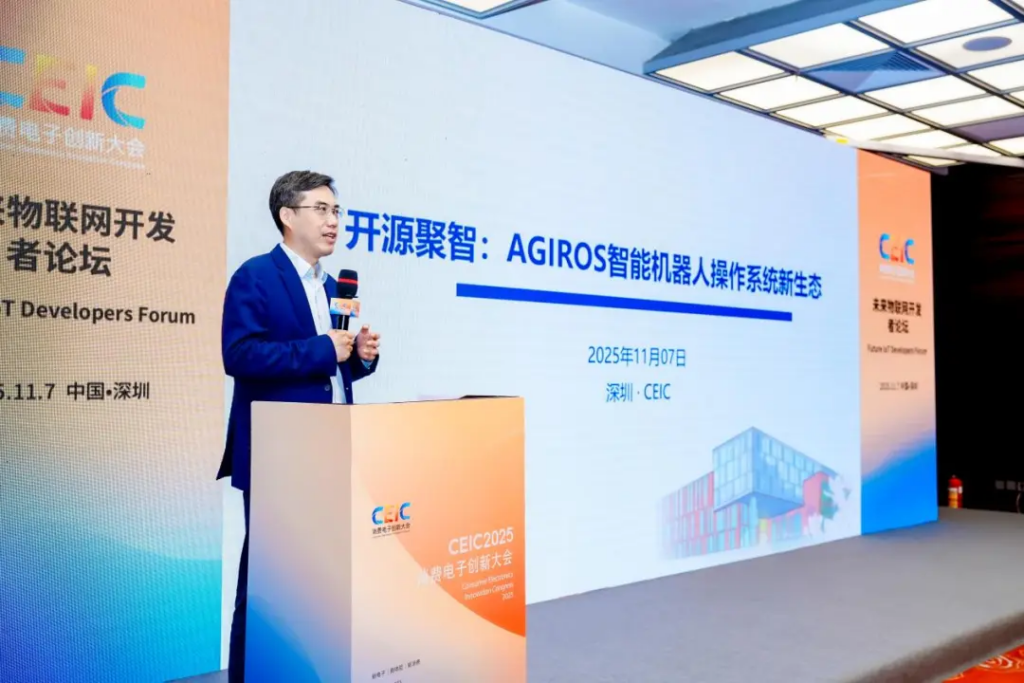
Mr. Jiang Dayong, Chair of the AGIROS Open Source Community Committee and Deputy Chief Engineer of the Software Institute
Mr. Shan Gang, Director of Ecosystem and Partner Development at Shanghai HiSilicon, addressed the forum on the theme of "Open Sharing, Infinite Innovation: From a Single Spark to a Prairie Fire," elucidating HiSilicon's collaborative deployment in IoT chips and open-source ecosystem. He stated that HiSilicon focuses on the AIoT era, with "open chips, ecosystem victory" as its core strategy, promoting software-hardware synergy and comprehensive openness, covering multiple scenarios including consumer electronics and smart homes. He announced the formal launch of free sample applications for eight core chips, alongside the release of a ModelZoo containing more than 30 open-source models across 15 major categories, covering scenarios such as multi-object tracking and universal segmentation. Additionally, evaluation boards, development boards, OpenHarmony and openEuler platforms, and one-stop tools for debugging and flashing are provided. The Hardware Specification V1.0 was released, standardizing board-to-board communication and driver modules to support "Lego-style" modular development and enhance compatibility. Full-dimensional support is provided for commercial, individual, and university developers. To date, a closed-loop university talent cultivation system has been established, covering 309 universities, empowering over 15,000 students, and resulting in the implementation of more than 300 software and hardware projects. Edge AI application practices such as the SparkLink screen-equipped solution and the CV610 desktop robot have been progressively implemented, assisting developers in lowering development barriers.
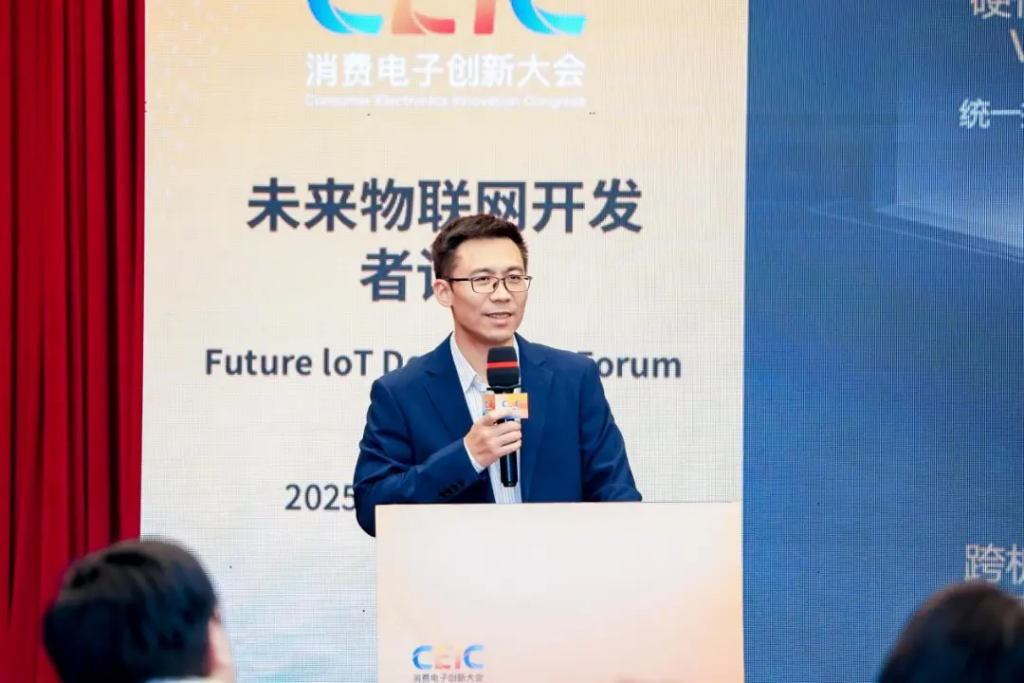
Mr. Shan Gang, Director of Ecosystem and Partner Development at Shanghai HiSilicon
Mr. Liu Yang, Vice President of HopeRun Software Co., Ltd., focused on "Open Source Empowering Industry, Ecosystem Co-Constructing the Future," interpreting the value of open-source technology from an industrial perspective. Using HopeRun's integration practices in the HarmonyOS ecosystem and open-source architecture as examples, he emphasized that as a publicly listed software enterprise, HopeRun possesses full-stack technologies spanning "operating systems × wireless connectivity × artificial intelligence," concentrating on the dual directions of domestic substitution and intelligentization. The company has currently constructed an OpenHarmony + SparkLink developer ecosystem, launching the Starry Sky and Neptune series development platforms, supporting domestic architectures such as RISC-V and Loongson. At the industry application level, the HarmonyOS science and education solution for the education sector has been incorporated into the People's Education Press Digital Resources Platform; in the coal industry, short-range wireless intelligent micro-stations have been developed to address communication pain points in underground mining; in the power sector, wired-to-wireless transformation of equipment has been achieved to simplify operations and maintenance; in the medical field, an AI quantum dot microbial detection platform capable of completing detection within 30 minutes has been introduced. In terms of ecosystem achievements, the company has cumulatively contributed over 1 million lines of code, collaborated with more than 180 universities, and organized over 170 ecosystem events.
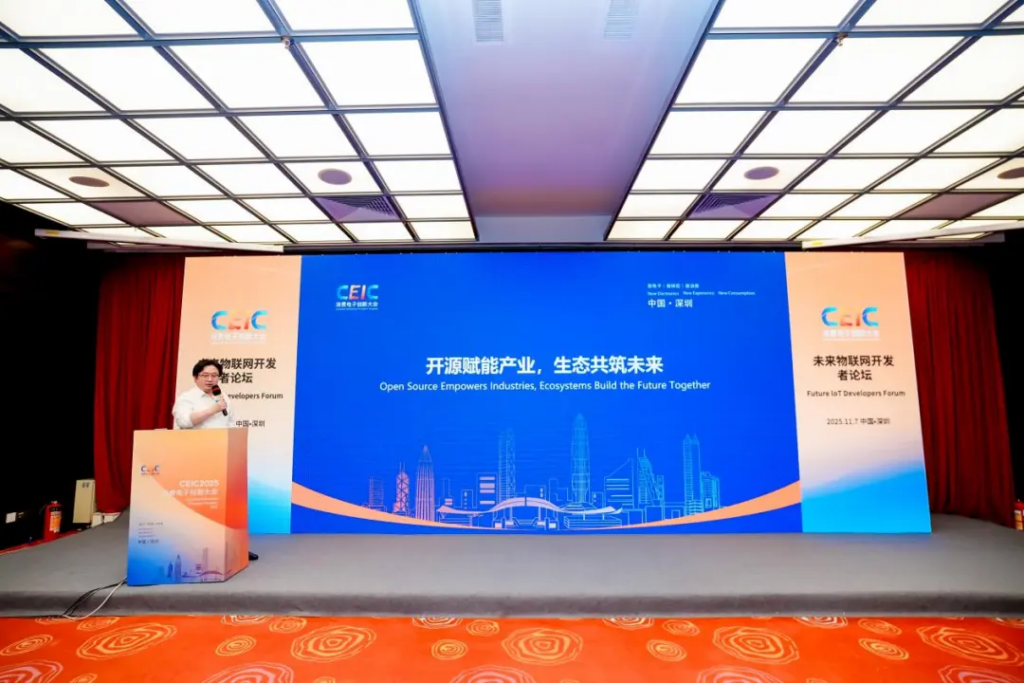
Mr. Liu Yang, Vice President of HopeRun Software Co., Ltd.
Mr. Wang Fan, Vice President of Commercial Technology at EMQ, delivered a technical presentation on "EMQX: Constructing the Next-Generation Hardware Agent Interaction Experience." He analyzed the core advantages of EMQX in hardware agent interaction—achieving intelligent synergy among multiple devices and protocols through a high-concurrency, low-latency communication architecture. As an international standard setter for IoT connecting the physical world and artificial intelligence, EMQX is the world's sole complete "edge-cloud-stream" foundational software supplier. Its core technology centers on the MQTT protocol, supporting MQTT 5.1/6.0, MQTT over QUIC, and others. The MCP architecture has also been introduced, combining MQTT to achieve lightweight and reliable device control, while WebRTC is employed to process audio and video streams, supporting ASR/TTS and multimodal interaction. The platform features low latency and large-scale access capabilities, has obtained multiple security compliance certifications including SOC2, ISO 27001, and Class III Protection of Information Security, and provides globalized 7×24-hour service. Application scenarios encompass automotive, industrial manufacturing, energy and power, robotics, and smart homes, serving over 1,000 commercial clients and 75 Fortune Global 500 enterprises. Concurrently, the open-source MCP over MQTT SDK has been released, supporting multiple platforms including ESP32 and Python, with protocol documentation and code repositories provided, supporting flexible modes including public cloud API access and private deployment.
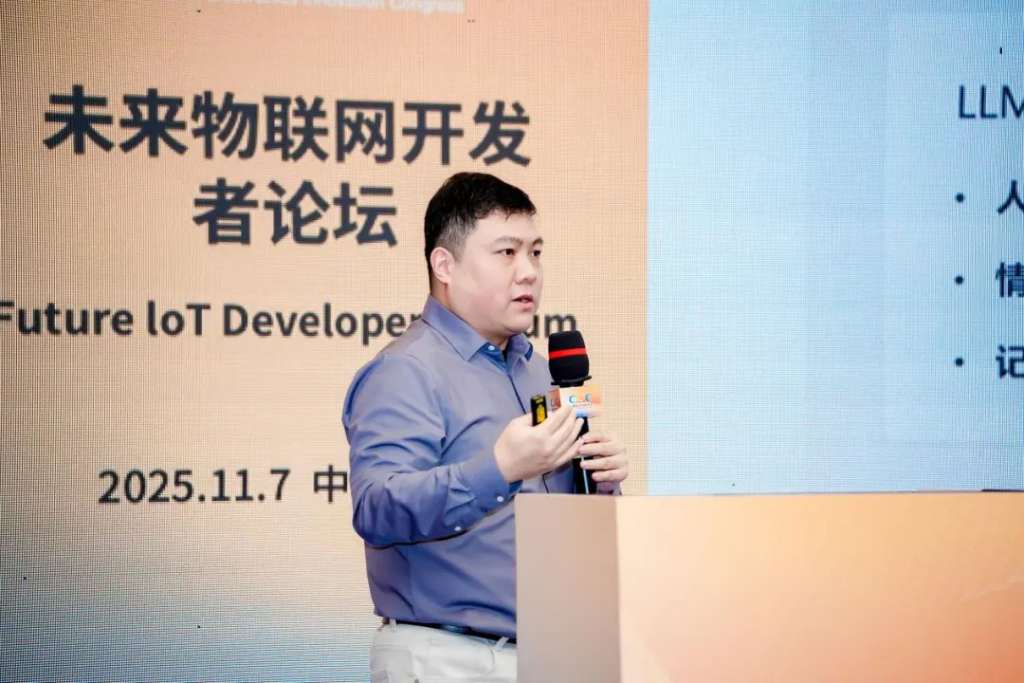
Mr. Wang Fan, Vice President of Commercial Technology at EMQ
Mr. Su Yurong, Technical Expert at the National Engineering Research Center for Big Data System Software and Timecho Technology, focused on "Industrial Time-Series Database: From Data Acquisition to Intelligent Decision-Making," providing an in-depth analysis of the value extraction pathway for industrial IoT data. He noted that the Timecho Technology team originated from the School of Software at Tsinghua University, undertaking the operations of the National Engineering Research Center for Big Data System Software. The core product is the industrial time-series database IoTDB, which features high throughput, high compression, and edge-cloud synergy. It has twice broken records on the authoritative TPCx-IoT international benchmark list, and in benchANT evaluations, its write, query, and cost indicators all ranked first. In terms of core technology, the proprietary TsFile time-series data file format achieves a compression ratio improvement of over 10 times. The built-in AI Node time-series large model Timer supports zero-shot prediction, anomaly detection, and data imputation, with leading inference efficiency. To date, it has served leading enterprises such as Baowu Intelligent Maintenance and CRRC Sifang Institute, covering over 200 industrial enterprises across steel, energy, transportation, manufacturing, and other domains.
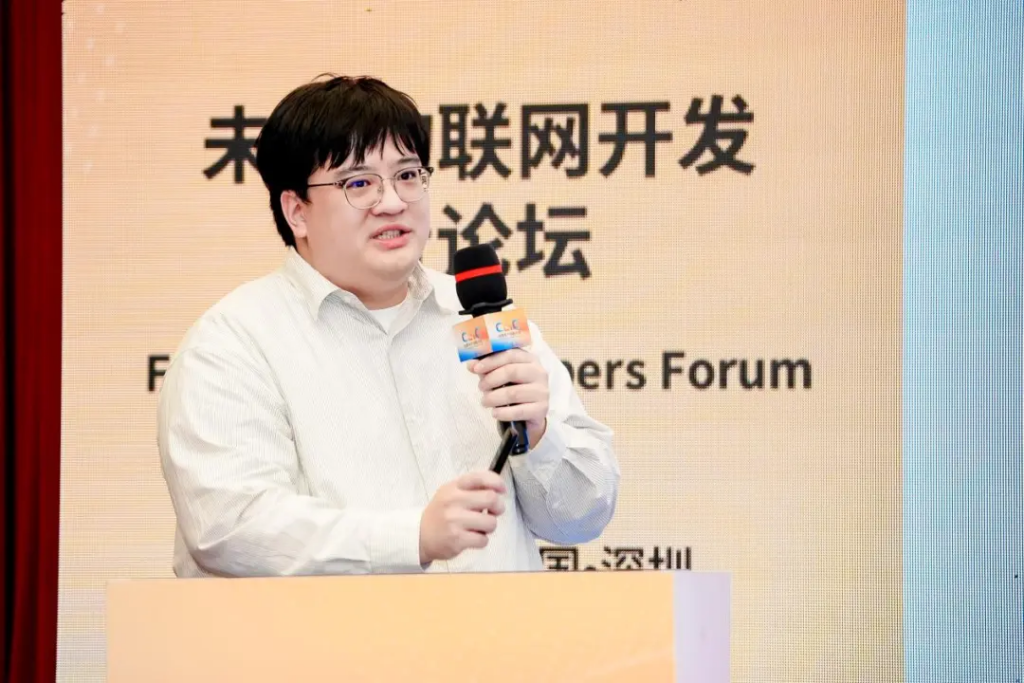
Mr. Su Yurong, Technical Expert at the National Engineering Research Center for Big Data System Software and Timecho Technology
Part.03
In the Era of Global Stack Synergy, How Should Developers Anchor Ecosystem Dividends and Achieve Role Elevation?
During the roundtable segment, Ms. Tang Xiaoyin, Executive Editor-in-Chief of CSDN and New Programmer, moderated a high-level dialogue. Guests Liu Yang, Wang Fan, Su Yurong, and Ding Zhangchi engaged in multidimensional, in-depth deliberation around the core theme of "Ecosystem Dividends and Role Elevation for Developers in the Era of Global Stack Synergy," spanning technological trends, industrial practices, and personal growth, providing actionable guidance for developers to precisely anchor opportunities and achieve role advancement.
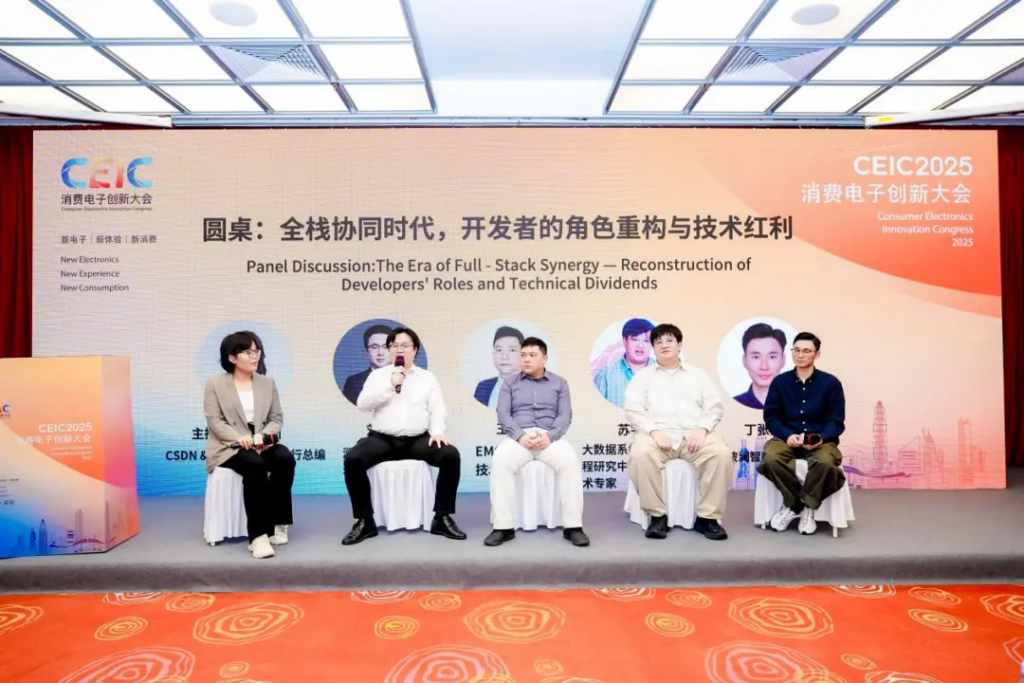
During the dialogue, the guests focused on the core characteristics of global stack synergy, distilling three key terms: "open-source co-construction, AI empowerment, and edge-cloud integration." They unanimously concurred that the current IoT industry is entering a period of concentrated release of technological dividends, yet also faces challenges including protocol compatibility and data synergy. They emphasized that open-source conforms to developmental laws, yielding traffic attraction and commercialization value, while requiring the balancing of social and commercial value to empower enterprise and personal growth.
Regarding the dividends brought by AI and IoT to developers, the guests unanimously expressed that AI significantly enhances efficiency while also replacing foundational work, promoting accelerated software-hardware integration and industry iteration, and revolutionizing applications in traditional domains.
Addressing the reconstruction of developer roles, the guests provided recommendations from both organizational and individual dimensions: at the organizational level, simplifying development tools and opening ecosystem resources are necessary to lower the barriers to full-stack development and assist developers in addressing capability deficiencies; at the individual level, "T-shaped talent with collaborative acumen" possesses greater competitiveness—requiring both deep cultivation in segmented domains and cross-linkage collaborative thinking. In the era of global stack synergy, only through rapid learning and embracing change can opportunities be seized. Regarding existing industry obstacles, the guests candidly shared practical experiences: issues such as protocol compatibility and data security have been progressively alleviated through technological standardization, yet the universalization of embodied intelligence and the edge-cloud balance in large model deployment remain challenges requiring collective industry effort.
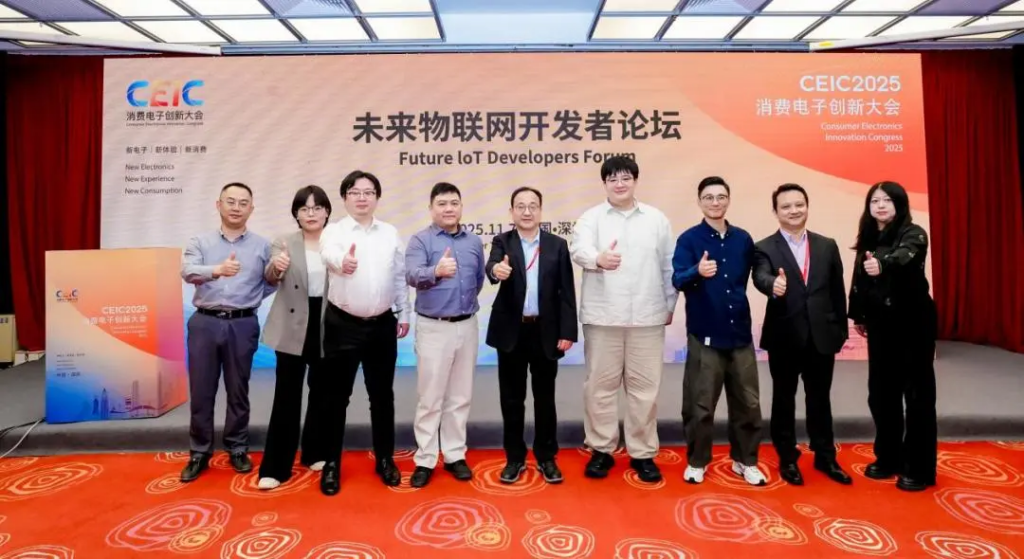
As global stack technology synergy deepens and the open-source ecosystem matures, IoT developers will embrace broader innovation space in the intelligentization tide. Going forward, the industry will continue to be "developer-centric," promoting a virtuous cycle of technological breakthroughs, ecosystem co-construction, and scenario implementation, enabling IoT to truly become a core engine driving the development of the digital economy.