
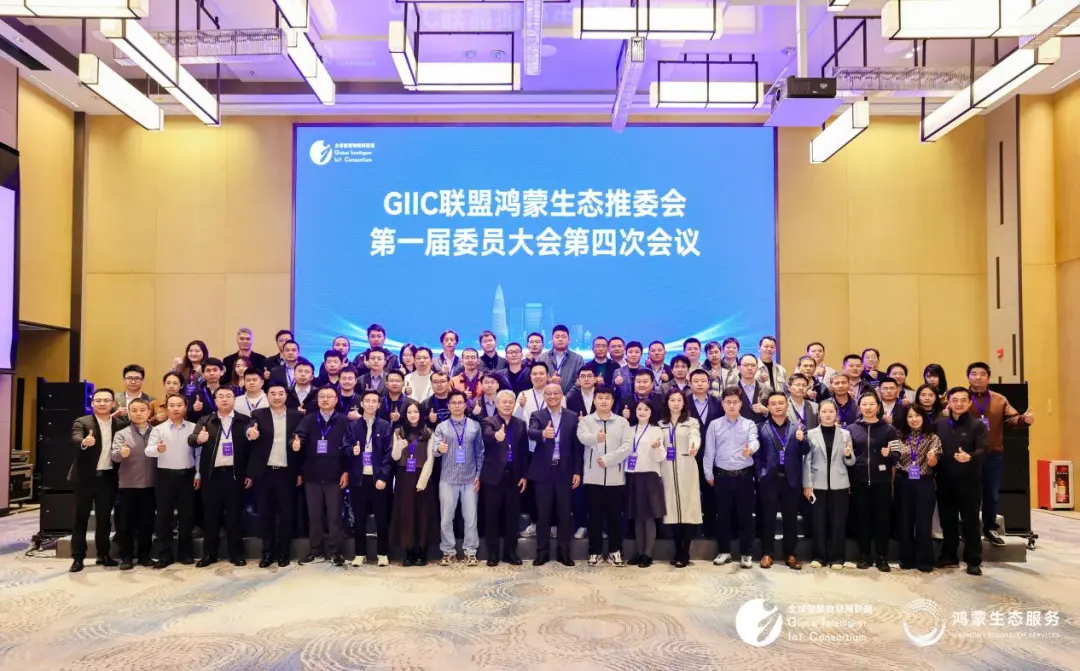
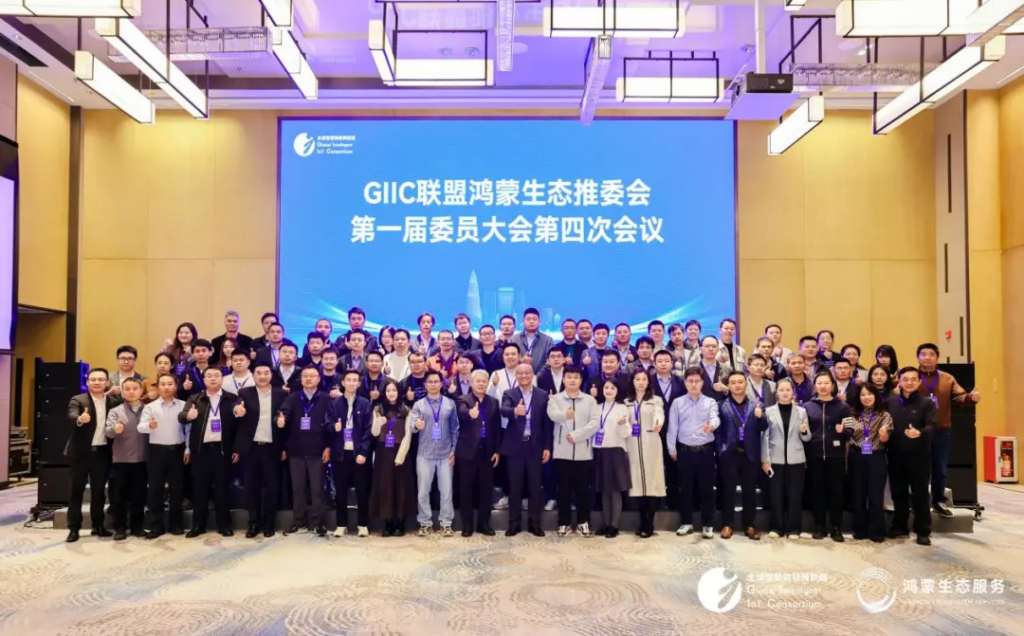
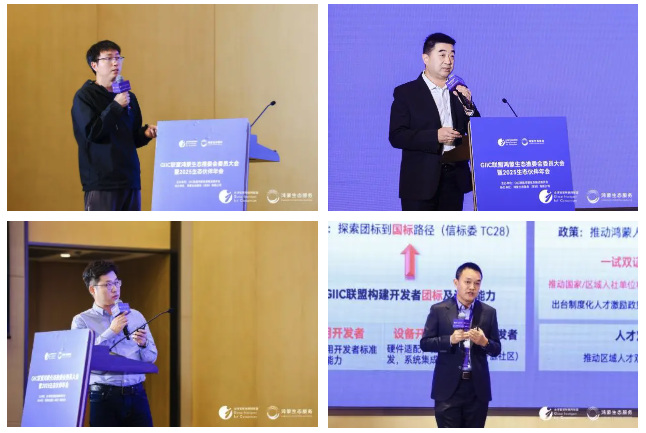
On January 28, the Fourth Meeting of the First GIIC Alliance OpenHarmony Ecosystem Promotion Committee and the 2025 Ecosystem Partners Annual Conference were successfully held in Shenzhen. The conference brought together over 100 guests including committee representatives, member units, and ecosystem partners. It systematically reviewed the annual work progress and achievements of the Promotion Committee, and conducted in-depth discussions on key topics such as the next-phase priority tasks and industrial synergy for the OpenHarmony ecosystem, consolidating joint efforts and injecting new momentum for the sustained prosperity and development of the OpenHarmony ecosystem.
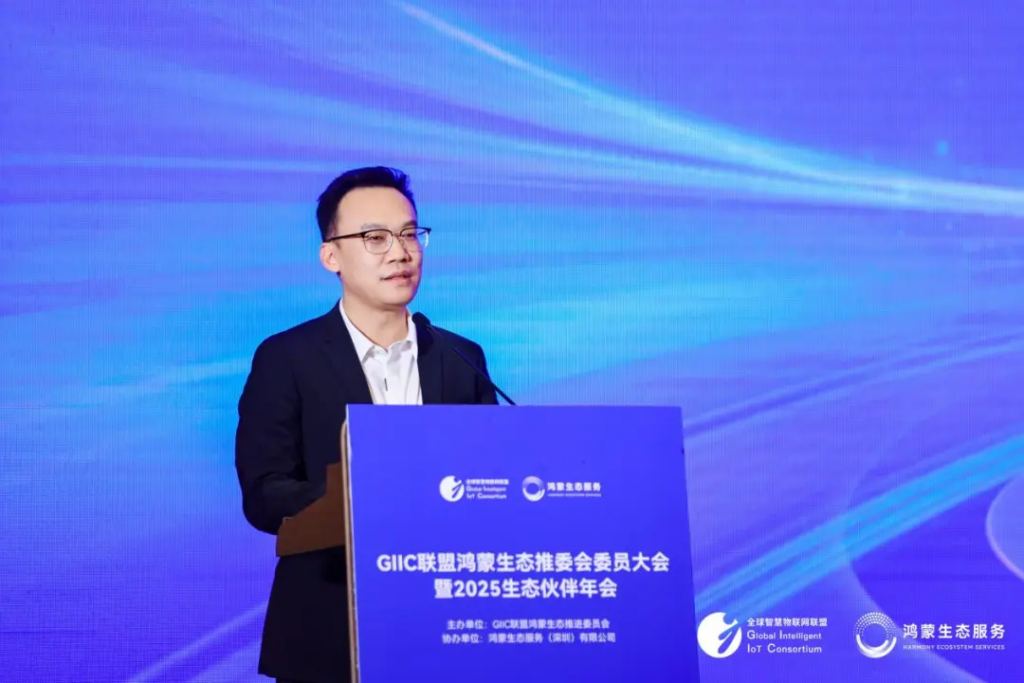
At the opening of the conference, An Shuang, Executive Secretary of the GIIC Alliance OpenHarmony Ecosystem Promotion Committee, systematically reviewed the series of phased and landmark achievements made by the Promotion Committee in 2025. In terms of ecosystem layout, standard development, and scenario deployment, the Promotion Committee, leveraging service companies and the OpenHarmony Ecosystem Innovation Center, fully supported ecosystem partner development. Throughout the year, nearly 60 activities were organized, including city promotions, industry-specific sessions, and scenario matchmaking, effectively integrating government, enterprise, and existing partner resources while actively advancing joint brand building for the ecosystem and alliance. Meanwhile, An Shuang provided a detailed introduction to the key work plans for the next phase, emphasizing the continued strengthening of business synergy, enhancing the alliance's overall influence, and further fostering a "virtuous cycle" flywheel effect between OpenHarmony ecosystem prosperity and high-quality alliance development.
In the subsequent agenda, heads of the four specialized committees/subcommittees—Telecommunications, Construction, OpenHarmony Security, and RISC-V—presented their annual work progress and future plans in sequence:
- The Telecommunications Committee achieved solid progress in organizational operations, internal and external coordination, and China Mobile Zhihong initiatives, with a clear goal of building a world-leading "OpenHarmony + Telecommunications" industrial ecosystem platform;
- The Construction Committee successfully facilitated the CECS standard approval and achieved technical deployment across multiple scenarios including energy machine rooms, water supply and drainage, intelligent access, integrated security and fire safety, and park management platforms, with plans to continuously deepen the "1+1+1+N" development model;
- The OpenHarmony Security Committee steadily advanced organizational development, with its application security detection cooperation project entering the technical evaluation phase, and substantial progress made in intelligence analysis platform construction and 2B security solutions;
- The RISC-V Subcommittee achieved significant results in policy, technology, and alliance development, committed to empowering massive terminals through "OpenHarmony + RISC-V" and supporting Shenzhen in building a nationally influential industrial innovation center.
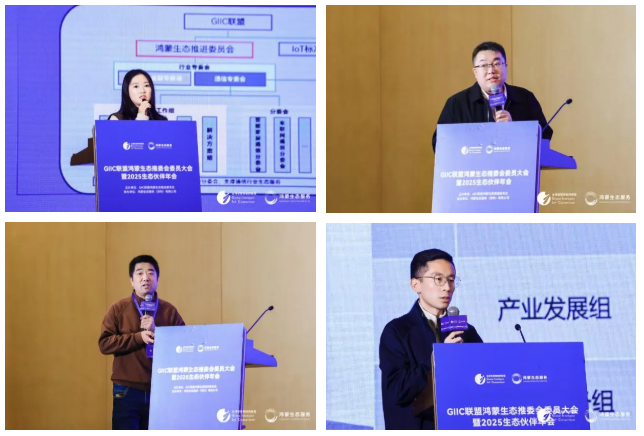
Subsequently, heads of the five professional groups—Technical Standards, OpenHarmony Certification, Industry Scenarios, Industrial Development, and Talent Development—presented their respective progress and plans in sequence:
- The Technical Standards Group has released multiple OpenHarmony ecosystem standards and identified key interconnection scenarios, with future focus on building a unified northbound and southbound ecosystem and enriching the PC peripheral ecosystem;
- The OpenHarmony Certification Group has completed multiple product evaluations, with plans to further refine the assessment system;
- The Industry Scenarios Group continues to advance multi-scenario reviews and deployments, committed to achieving end-to-end closed-loop optimization from scenario value and experience optimization to standard development and device certification;
- The Industrial Development Group will advance goals in phases through three innovation mechanisms, leveraging brand promotion activities and new member expansion;
- The Talent Development Group focuses on building the OpenHarmony talent competency evaluation and education standard system, while laying out policy support to precisely align with industrial talent demands.
Over the past year, all specialized committees/subcommittees and working groups have consolidated foundations and clarified pathways, providing solid support for the standardized and scaled development of the OpenHarmony ecosystem through close collaboration.
During the policy briefing session, representatives from relevant departments of Shenzhen Municipal Bureau of Industry and Information Technology interpreted the latest Shenzhen OpenHarmony policies from perspectives including industrial planning, space guarantees, funding support, scenario opening, and talent incentives, providing clear policy guidance for technological innovation, industrial development, and enterprise establishment.
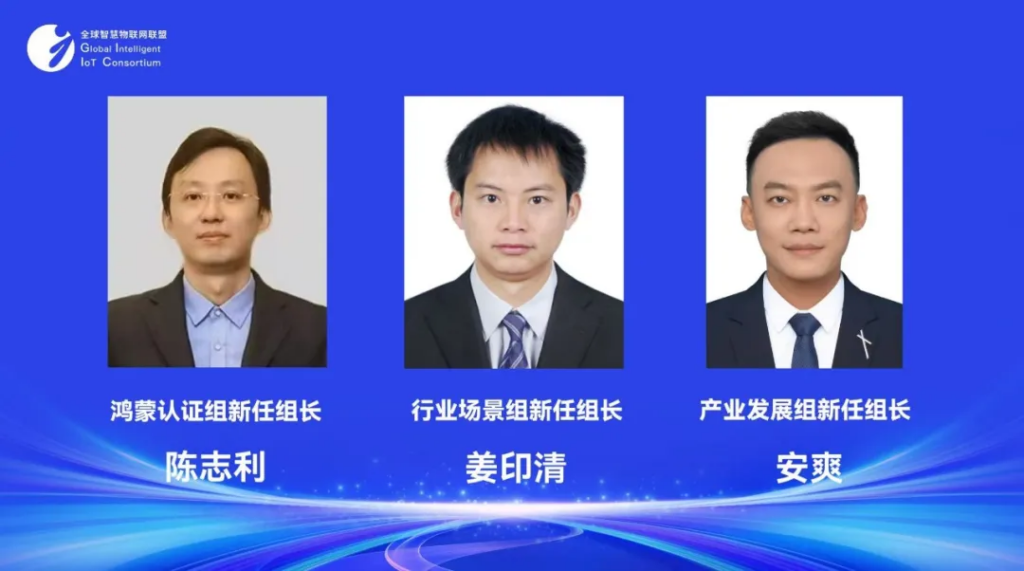
The conference officially announced the results of correspondence reviews for amendments to the Promotion Committee charter and multiple standard approvals. These processes strictly followed established procedures, and the passage of this correspondence review marks a new step forward in the Promotion Committee's operational mechanisms and standard system development, laying a solid foundation for the standardized growth of the OpenHarmony ecosystem. In accordance with work requirements, the meeting deliberated and approved the nomination and election of new heads for the OpenHarmony Certification Group, Industry Scenarios Group, and Industrial Development Group.
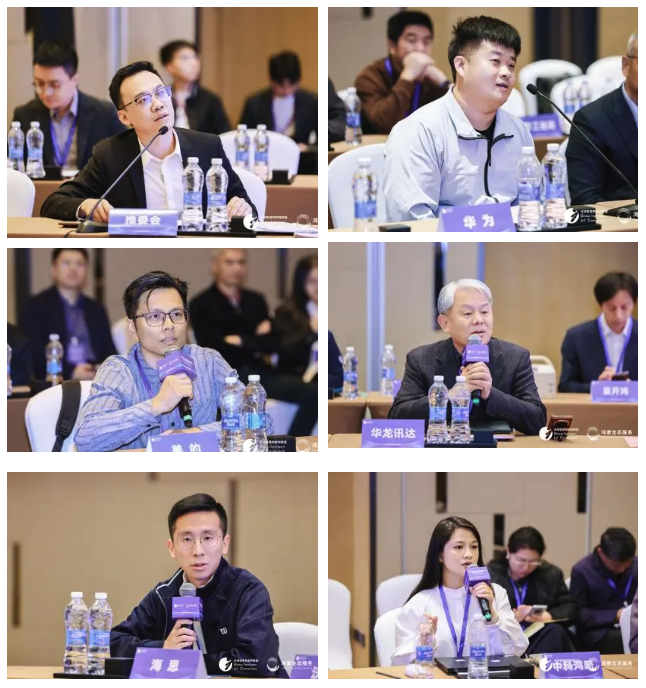
During the discussion session, enterprise representatives from Huawei Consumer Business Group, Midea, Hualong Xunda, Hisilicon, Zhongke Honglue, and Farben actively spoke on topics including how to promote the prosperity of the OpenHarmony ecosystem, advance the healthy development of the alliance, and foster coordinated AI + OpenHarmony development. They engaged in in-depth exchanges focusing on key priority tasks in the current advancement of the OpenHarmony ecosystem and critical bottlenecks and pain points that urgently need to be addressed.
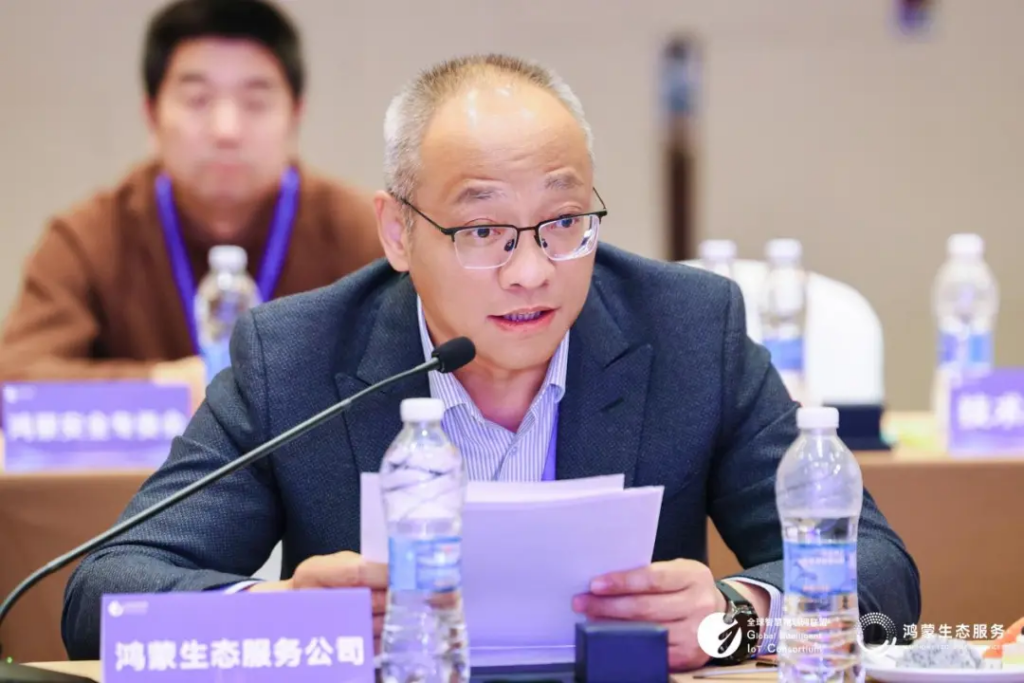
At the conclusion of the meeting, Du Jinbiao, Director of the OpenHarmony Ecosystem Promotion Committee, delivered a summary speech. He stated that in 2026, the OpenHarmony Ecosystem Promotion Committee will carry out work around five major directions:
At the conclusion of the meeting, Du Jinbiao, Director of the OpenHarmony Ecosystem Promotion Committee, delivered a summary speech. He stated that in 2026, the OpenHarmony Ecosystem Promotion Committee will carry out work around five major directions:
II. Deepen industrial synergy, with focus on expanding scenarios such as smart home and audio-visual OS, promoting ecosystem sharing through standard leadership and industrial collaboration.
III. Secure local policy support, using Shenzhen, Wuhan, and other cities as models to drive more local governments to introduce policies and release scenario resources.
IV. Build a "1+N" OpenHarmony ecosystem event matrix, with the annual HEC conference as the core, combined with a series of industry conferences held in various regions based on local industrial advantages.
V. Build a talent system, establish the Talent Education Committee, and promote the integration of OpenHarmony into the education system and talent standard development. The Promotion Committee will consistently uphold the principles of openness, neutrality, and win-win cooperation, working with all partners to jointly drive the prosperous development of the OpenHarmony ecosystem.
This meeting further consolidated ecosystem consensus and injected collaborative momentum. Looking ahead, the GIIC Alliance OpenHarmony Ecosystem Promotion Committee will continue to join hands with global partners, deepen technological integration and industry expansion, and jointly empower innovation and high-quality development in the era of intelligent interconnection for all things.